

The Department of Homeland Security (DHS) dismantled three critical oversight offices in March 2025: the Office for Civil Rights and Civil Liberties (CRCL), the U.S. Citizenship and Immigration Services Ombudsman Office, and the Office of the Immigration Detention Ombudsman. These closures, affecting over 300 employees and suspending more than 600 active complaints, have sparked a lawsuit from advocacy groups, including the Southern Border Communities Coalition, Robert F. Kennedy Human Rights, and Urban Justice Center. Public data from sources like NPR, The Washington Post, and Democracy Forward confirm the closures were part of a broader federal workforce reduction under the Trump administration, aimed at streamlining immigration enforcement. The lawsuit argues that DHS violated the Homeland Security Act of 2002, which established these offices, asserting that only Congress can dismantle them. This issue intersects with border security, a core DHS mission, raising questions about accountability for alleged human rights abuses by agencies like Customs and Border Protection (CBP) and Immigration and Customs Enforcement (ICE).
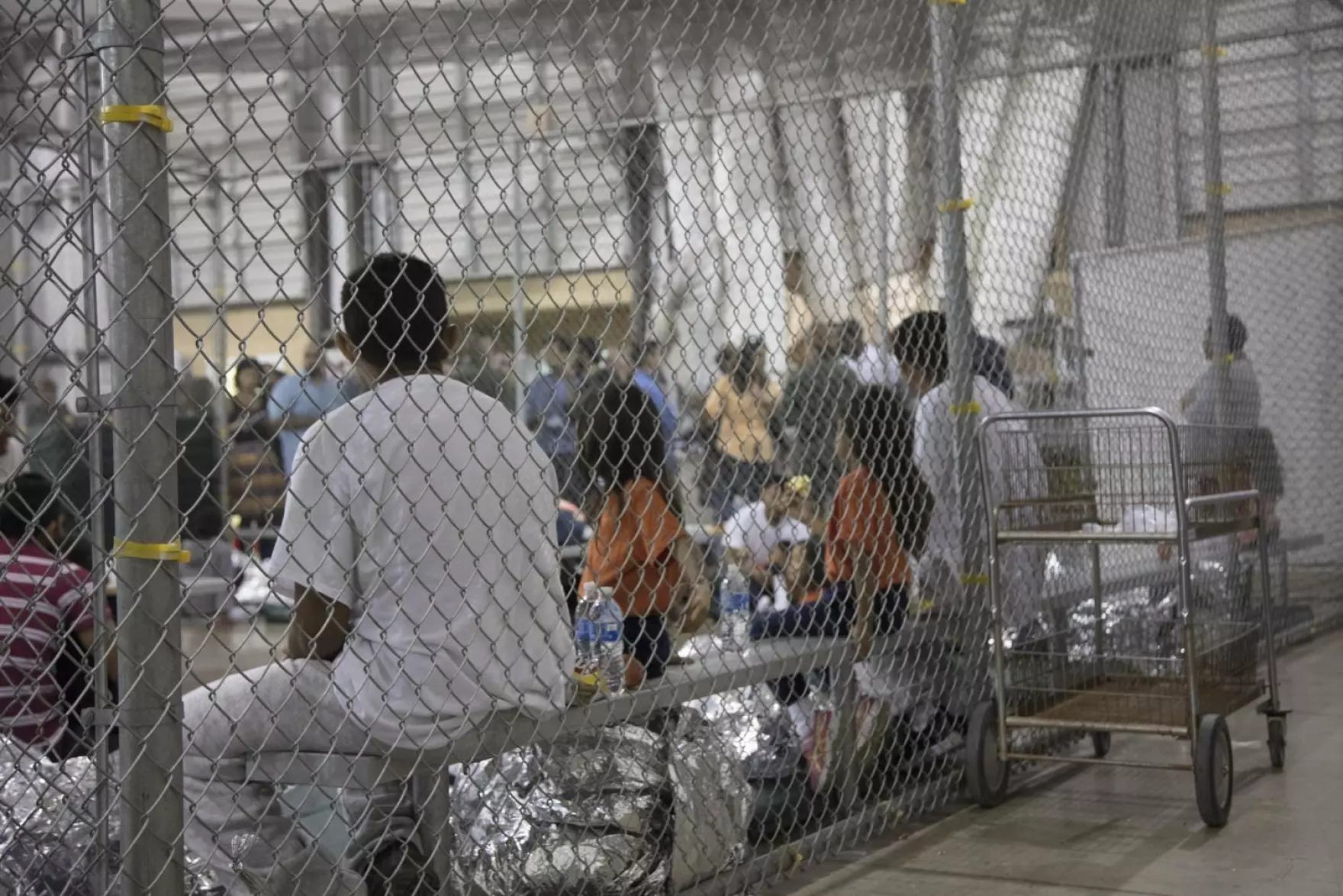
U.S. Border Patrol agents conduct intake of illegal border crossers at the Central Processing Center in McAllen, Texas, on June 17, 2018.
The closure of DHS’s oversight offices marks a pivotal shift in the balance between border security and civil rights protections, a tension that has defined U.S. immigration policy for decades. To understand the implications, we must explore the roles of these offices, the context of their dismantling, the legal and operational fallout, and the broader policy landscape shaping border enforcement in 2025.
Historical Context and Roles of the Oversight Offices
The Office for Civil Rights and Civil Liberties (CRCL), established under the Homeland Security Act of 2002, was designed to ensure DHS operations—spanning immigration enforcement, airport security, disaster response, and cybersecurity—complied with constitutional protections. With over 150 staff and a $46 million budget, CRCL investigated hundreds of complaints annually, addressing allegations of excessive force, racial profiling, and medical neglect. For example, in 2023, CRCL probed outdoor detention facilities along the California-Mexico border, revealing substandard conditions and clarifying Border Patrol’s custodial responsibilities. The office’s systemic focus allowed it to identify patterns, such as repeated use-of-force incidents, and recommend policy changes to mitigate abuses.
The Office of the Immigration Detention Ombudsman (OIDO), created by Congress in 2019, conducted independent oversight of ICE detention facilities. With over 120 employees, OIDO visited more than 100 facilities monthly, investigating over 11,000 complaints in 2023 alone. These ranged from sexual assault and inadequate medical care to unsanitary conditions at facilities like Arizona’s Eloy Detention Center. OIDO’s neutrality—separate from ICE and CBP—ensured impartiality, fostering trust among detainees and advocacy groups. Its reports often led to actionable improvements, such as enhanced medical protocols or contract audits that saved taxpayer dollars by preventing fraud.
The U.S. Citizenship and Immigration Services Ombudsman (CIS Ombudsman), also established in 2002, assisted individuals and employers navigating USCIS processes, resolving 30,000 cases annually. From erroneous visa rejections to processing delays, the office served as a lifeline for immigrants and businesses, identifying systemic issues like backlogs that plagued USCIS’s 10 million yearly cases. Its recommendations, submitted directly to Congress, bypassed DHS bureaucracy, ensuring transparency.
Collectively, these offices acted as guardrails, balancing DHS’s enforcement mandate with accountability. Their investigations saved costs by preempting lawsuits, protected constitutional rights, and maintained public trust in federal agencies—an especially critical function in border communities where tensions between residents and CBP run high.
The 2025 Closures: Rationale and Execution
On March 21, 2025, DHS announced a “reduction in force” across the three offices, effectively shuttering them. Staff were placed on 60-day administrative leave, instructed to find other roles or face termination by May. DHS spokesperson Tricia McLaughlin justified the move, stating the offices “obstructed immigration enforcement by adding bureaucratic hurdles and undermining DHS’s mission.” The closures aligned with the Trump administration’s broader directive to cut federal jobs, following an earlier round in February that eliminated 405 DHS positions in cybersecurity and disaster response.
The administration framed the offices as “internal adversaries” that slowed border security operations, a sentiment echoed by Homeland Security Secretary Kristi Noem. This rhetoric reflects a policy shift prioritizing enforcement over oversight, consistent with President Trump’s 2025 executive orders, which declared a border “national emergency,” deployed troops, and expanded ICE detention capacity, including at Guantánamo Bay. The closures were also seen as a response to perceived inefficiencies, with DHS claiming the offices’ functions could be absorbed by other units to “streamline oversight.”
However, the execution was abrupt. OIDO staff were given 20 minutes’ notice before an emergency meeting announcing their leave, and no transition plan was provided for pending complaints. Over 100 CRCL records were removed from DHS’s website, raising transparency concerns, as noted by the Project on Government Oversight. The lack of a formal replacement mechanism left immigrants, detainees, and border communities without clear recourse, shifting the burden to congressional offices or legal aid groups.
Legal and Political Fallout
The closures triggered immediate pushback. On April 25, 2025, advocacy groups filed a lawsuit against DHS and Secretary Noem, represented by Democracy Forward and Public Citizen Litigation Group. The suit, backed by Robert F. Kennedy Human Rights, Southern Border Communities Coalition, and Urban Justice Center, argues that DHS violated the separation of powers by dismantling congressionally mandated offices. The Homeland Security Act explicitly created CRCL and the CIS Ombudsman, while OIDO was established under the Consolidated Appropriations Act. The plaintiffs demand the offices’ restoration, citing their role in preventing abuses like excessive force, sexual assault, and medical neglect.
Democratic lawmakers, including Senators Gary Peters and Dick Durbin, had warned against the cuts, emphasizing CRCL’s “statutorily-required” role. House Democrats labeled the closures an attempt to hide “illegal and unconstitutional actions.” The lawsuit’s legal argument hinges on the principle that executive actions cannot override congressional intent, a contention likely to be tested in federal courts. Posts on X reflect public sentiment, with users like @nunez_anna and @seangraf highlighting the offices as “guardrails” against human rights abuses, though these views are inconclusive without broader polling.
The closures also intersect with other legal battles. Advocacy groups have sued over related immigration policies, such as funding cuts to legal aid programs and Trump’s attempt to end birthright citizenship, which a federal judge temporarily blocked. These cases suggest a pattern of resistance to the administration’s immigration agenda, with courts emerging as a key battleground.
Operational Impacts
The shuttering of these offices has immediate and long-term consequences for border security and civil rights. Without CRCL, systemic issues—like patterns of excessive force by CBP agents—may go unaddressed, risking escalation of abuses and costly lawsuits. OIDO’s absence leaves detention facilities unmonitored, potentially worsening conditions and increasing liability. The CIS Ombudsman’s closure exacerbates USCIS backlogs, frustrating legal immigrants and employers reliant on timely visa processing.
Border communities, already strained by heavy CBP presence, lose a critical channel for redress. Lilian Serrano of the Southern Border Communities Coalition noted that CRCL was one of the few avenues for addressing racial profiling and arbitrary searches. Her group’s 2023 collaboration with CRCL on outdoor detention conditions led to tangible improvements, a process now stalled. The closures also disrupt international advocacy efforts, such as Serrano’s use-of-force complaints to the United Nations, weakening U.S. credibility on human rights.
DHS’s claim that other units can absorb oversight functions is dubious. No existing office matches CRCL’s systemic focus or OIDO’s detention-specific mandate. Congressional offices, suggested as an alternative, lack the resources to handle thousands of complaints, and legal aid groups are already overstretched. The closures thus create a vacuum, potentially emboldening misconduct by enforcement agencies.
Policy Landscape and Border Security
The closures reflect a broader policy shift under the Trump administration, which has prioritized border security over oversight since January 2025. Executive orders have expanded ICE’s reach, enlisted personnel from the FBI and DEA, and declared a border “invasion” to justify expedited deportations. These policies build on earlier efforts, like the 2017-2021 border wall expansion, but face new challenges, including court injunctions and public backlash.
Border security remains a conservative priority, driven by concerns over illegal crossings, drug trafficking, and national sovereignty. CBP reported 2.5 million migrant encounters in 2024, down from 2023 but still high, fueling demands for stricter enforcement. However, oversight is equally critical to conservatives who value constitutional protections and fiscal responsibility. Unchecked abuses can erode public trust and trigger costly litigation, undermining the very security DHS seeks to strengthen.
The closures also highlight tensions within DHS. While enforcement agencies like CBP and ICE gain prominence, oversight functions are sidelined, creating an imbalance. This dynamic risks alienating border communities, where cooperation with local law enforcement is vital for intelligence and operational success. The administration’s focus on enforcement may yield short-term gains but could destabilize long-term stability if grievances fester.
Stakeholder Perspectives
Advocacy groups view the closures as a deliberate attack on accountability. Anthony Enriquez of RFK Human Rights emphasized CRCL’s role in investigating systemic abuses, such as sexual assault in detention centers. Serrano highlighted the loss of community trust, noting CRCL’s imperfect but essential function as a dialogue starter. These groups argue that oversight strengthens, not hinders, legitimate enforcement by ensuring it adheres to legal and ethical standards.
DHS and the administration, conversely, frame the offices as bureaucratic obstacles. McLaughlin’s statements reflect a belief that oversight slows deportations and border operations, diverting resources from “core” missions. This perspective resonates with conservative voters who prioritize rapid enforcement, but it overlooks the offices’ role in preventing lawsuits and maintaining public support.
Local law enforcement, often caught between federal mandates and community pressures, faces increased strain. Sheriffs in border counties like San Diego and El Paso rely on federal oversight to address resident complaints, preserving cooperation with CBP. Without CRCL or OIDO, these sheriffs may face heightened tensions, complicating their role in supporting border security.
Broader Implications
The closures raise fundamental questions about governance and accountability. By sidelining congressionally mandated offices, DHS tests the limits of executive power, inviting legal and political scrutiny. The move also signals a shift toward centralized control, potentially marginalizing local and independent voices in border policy. This could erode trust in federal institutions, particularly among minority communities disproportionately affected by enforcement.
Economically, the closures may backfire. OIDO’s contract audits saved millions by identifying fraud, while CRCL’s investigations preempted costly lawsuits. Without these checks, DHS risks financial liabilities that could offset savings from staff cuts. Politically, the closures galvanize progressive opposition, potentially mobilizing voters in 2026 midterms, while alienating moderate conservatives who value rule of law.
Globally, the closures weaken U.S. human rights credibility. The UN and international NGOs have cited CRCL and OIDO reports in critiques of U.S. detention practices. Without these offices, the U.S. may face heightened scrutiny, complicating diplomatic efforts on migration and security.
Solution Proposal
Restoring oversight while strengthening border security requires innovative, practical solutions that empower local law enforcement, leverage private sector technology, and streamline federal coordination. These proposals align with conservative values of efficiency, local control, and constitutional protections, offering a path forward that avoids bureaucratic bloat while addressing civil rights concerns.
Regional Oversight Task Forces
Create regional task forces led by local sheriffs and police chiefs in border counties, trained to investigate civil rights complaints against CBP and ICE. These task forces, funded through DHS grants, would include community liaisons and retired federal agents, ensuring expertise and local knowledge. By decentralizing oversight, this approach empowers communities, fosters trust, and aligns with conservative principles of local governance. Task forces would report findings to a DHS liaison, ensuring federal coordination without micromanagement. For example, a San Diego task force could address profiling complaints, collaborating with CBP to refine training while maintaining enforcement tempo. This model reduces federal overhead, leverages existing law enforcement networks, and ensures rapid response to grievances.
Private Sector Monitoring Systems
Incentivize private security firms to develop AI-driven monitoring systems for ICE detention facilities, tracking conditions like sanitation, medical care, and use-of-force incidents. These systems, using sensors and anonymized data analytics, would provide real-time reports to independent auditors, ensuring transparency without adding federal staff. Companies like Palantir or Axon, already DHS contractors, could adapt existing technologies, with contracts tied to performance metrics. This approach harnesses market innovation, a conservative priority, while addressing oversight gaps. For instance, AI could flag patterns of medical neglect at Eloy, prompting swift intervention. Audits would be publicly accessible, balancing transparency with security needs, and reducing the risk of lawsuits by catching issues early.
Streamlined DHS Coordination Hub
Establish a single, agile DHS oversight hub to replace the three shuttered offices, with a lean staff of 50 and a mandate to investigate systemic issues. This hub would use data analytics to prioritize high-impact cases, such as patterns of excessive force, and report directly to Congress, preserving independence. By consolidating functions, the hub eliminates redundancy while maintaining accountability. It would partner with regional task forces and private monitors, ensuring a cohesive system. This solution appeals to conservative demands for efficiency, cutting costs while safeguarding constitutional rights. The hub could, for example, analyze CRCL’s 2023 border detention data to refine CBP policies, preventing future abuses without slowing enforcement.
Implementation and Benefits
These solutions can be implemented within a year, with task forces launching in six months, private systems piloted in nine, and the DHS hub operational by mid-2026. Funding would come from reallocating DHS’s $46 million CRCL budget, supplemented by private sector investment. Benefits include:
Local Empowerment: Task forces give border communities a voice, reducing tensions and enhancing CBP cooperation.
Cost Efficiency: Private systems and a lean hub save millions compared to the previous 300-staff model, while preventing lawsuits.
Constitutional Protections: Oversight ensures enforcement respects rights, aligning with conservative values of limited government and rule of law.
Operational Continuity: Streamlined processes maintain enforcement speed, addressing DHS’s concerns about bureaucratic hurdles.
This approach restores accountability without reverting to the old, sometimes cumbersome system, offering a forward-thinking model that conservatives can champion as both tough on security and responsible on rights.
Comparison
Alternative approaches—restoring the original offices, pursuing international cooperation, or expanding surveillance—offer different trade-offs. Comparing these with the proposed solutions highlights their strengths and weaknesses.
Restoring the Original Offices
Reinstating CRCL, OIDO, and the CIS Ombudsman with full staffing and budgets would ensure comprehensive oversight. CRCL’s systemic focus and OIDO’s detention expertise are unmatched, and restoration would address the lawsuit’s legal concerns. However, this approach risks recreating bureaucratic inefficiencies, with 300 staff and $46 million in costs. It also faces political resistance from DHS and the administration, who view these offices as enforcement roadblocks. Implementation could take years, given hiring and funding battles, and may not resolve community-level trust issues. The proposed task forces and hub, by contrast, are leaner, faster to deploy, and more responsive to local needs, though they lack CRCL’s broad mandate.
International Cooperation
Partnering with UN human rights bodies or NGOs like Amnesty International could elevate detention standards and align U.S. practices with global norms. This approach, used by Serrano’s group in 2024, leverages external expertise and pressure. However, it risks domestic backlash, as conservatives often oppose ceding sovereignty to international entities. It’s also slow, with UN processes taking months or years, and less effective for localized issues like border profiling. The proposed solutions, rooted in U.S. institutions, avoid these pitfalls, offering rapid, domestically controlled oversight, though they lack the global perspective of international models.
Expanded Surveillance
Deploying broader surveillance, such as facial recognition or social media monitoring, could deter agent misconduct by increasing visibility. DHS already uses some of these tools, and expansion could be cost-effective. However, it raises privacy concerns, particularly among conservatives wary of government overreach, and could disproportionately target minorities, exacerbating tensions. Surveillance also doesn’t address systemic issues like detention conditions, unlike the proposed AI monitoring systems, which focus on specific metrics without invasive profiling. The task force model further outperforms surveillance by fostering community trust, a critical factor surveillance often undermines.
Evaluation
The proposed solutions—task forces, private monitoring, and a DHS hub—excel in speed, cost, and local engagement. They align with conservative priorities of efficiency and local control while addressing oversight needs. Restoration offers depth but is slow and politically fraught. International cooperation enhances credibility but risks sovereignty concerns. Surveillance is cheap but invasive and limited in scope. The proposed model balances these trade-offs, offering a practical path that conservatives can rally behind for its pragmatism and alignment with constitutional values.
The DHS oversight closures pit border security against civil rights, a divide that demands careful consideration. The proposed solutions—local task forces, private tech, and a streamlined hub—offer a conservative-leaning path that strengthens enforcement while restoring accountability. Alternatives, from full restoration to global partnerships, have merits but face practical or political hurdles. Listeners must weigh these options: prioritize rapid, community-driven oversight or pursue broader but slower reforms? Consider the evidence—legal mandates, operational gaps, and community impacts—and decide what best serves a secure, just border. Your choice shapes the future of DHS and the nation’s immigration system.
SEO Hashtags
#BorderSecurity #CivilRights #DHS #ImmigrationReform #Oversight #CustomsBorderProtection #ICE #HumanRights #ConservativePolicy #LocalLawEnforcement #PrivateSectorInnovation #FederalAccountability #ImmigrationDetention #USPolicy #2025News


